




Use Cases
Use cases on this page are the specific AI initiatives institutions typically bring into an AI Project Risk assessment. A use case is a defined piece of work with a business outcome, not a general ambition to “use AI.”
What a Use Case Means Here
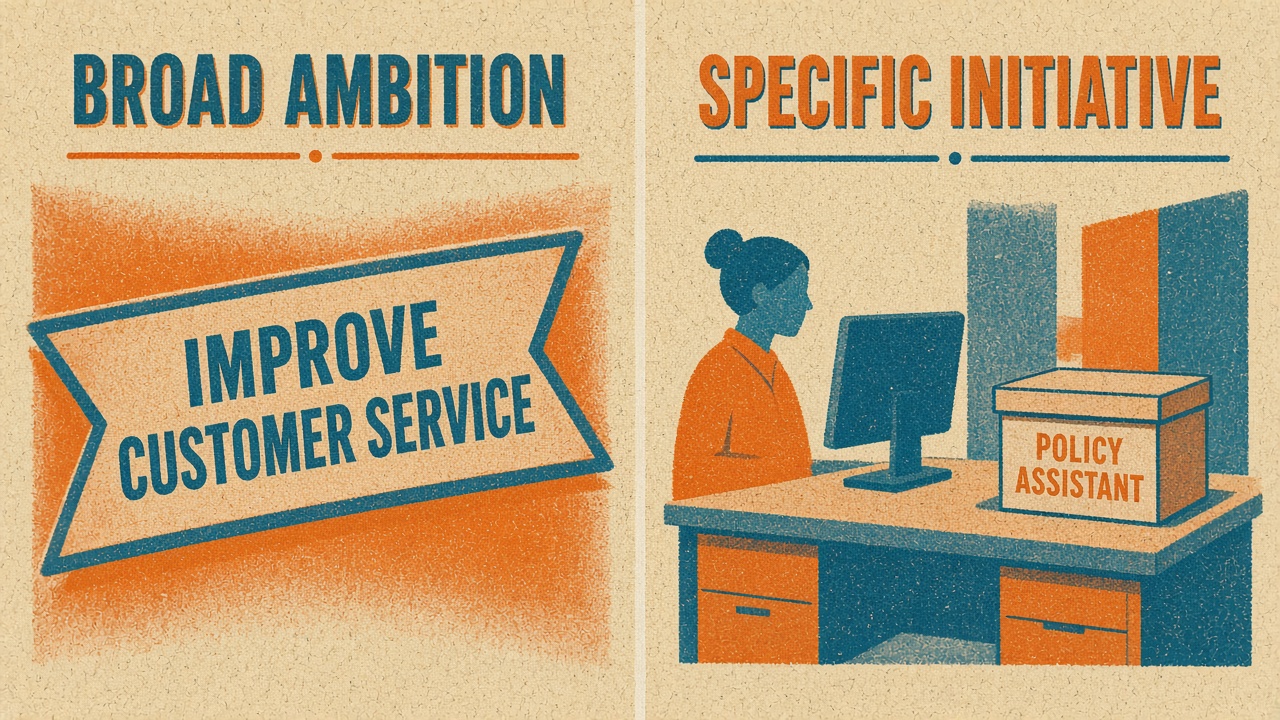
A useful use case can be described in one sentence: who it is for, what it does, and what outcome it is meant to change.
That is different from a programme-level statement such as “improve customer service with AI.” The assessable initiative would be closer to “develop an assistant that helps support staff answer customer enquiries from approved sources.”
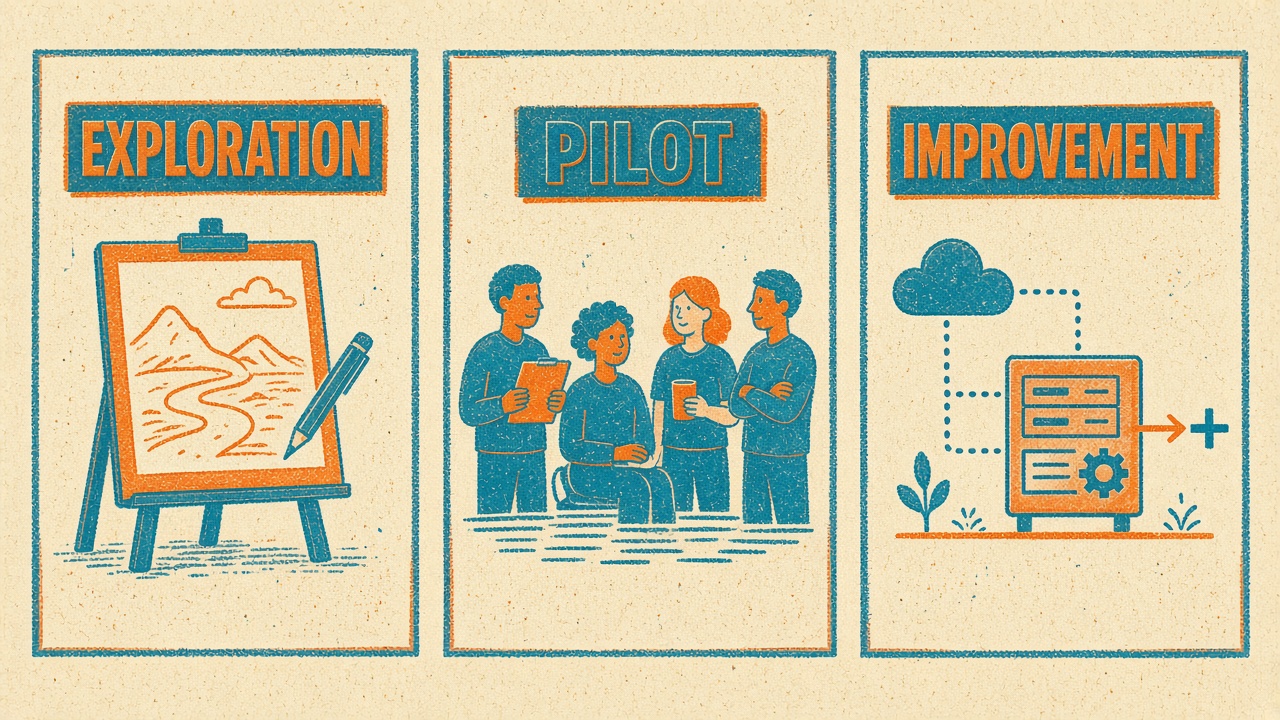
The same distinction is used in Active AI Projects: the project should be identifiable at the time you describe it, even if it is still in exploration, pilot, or further development.
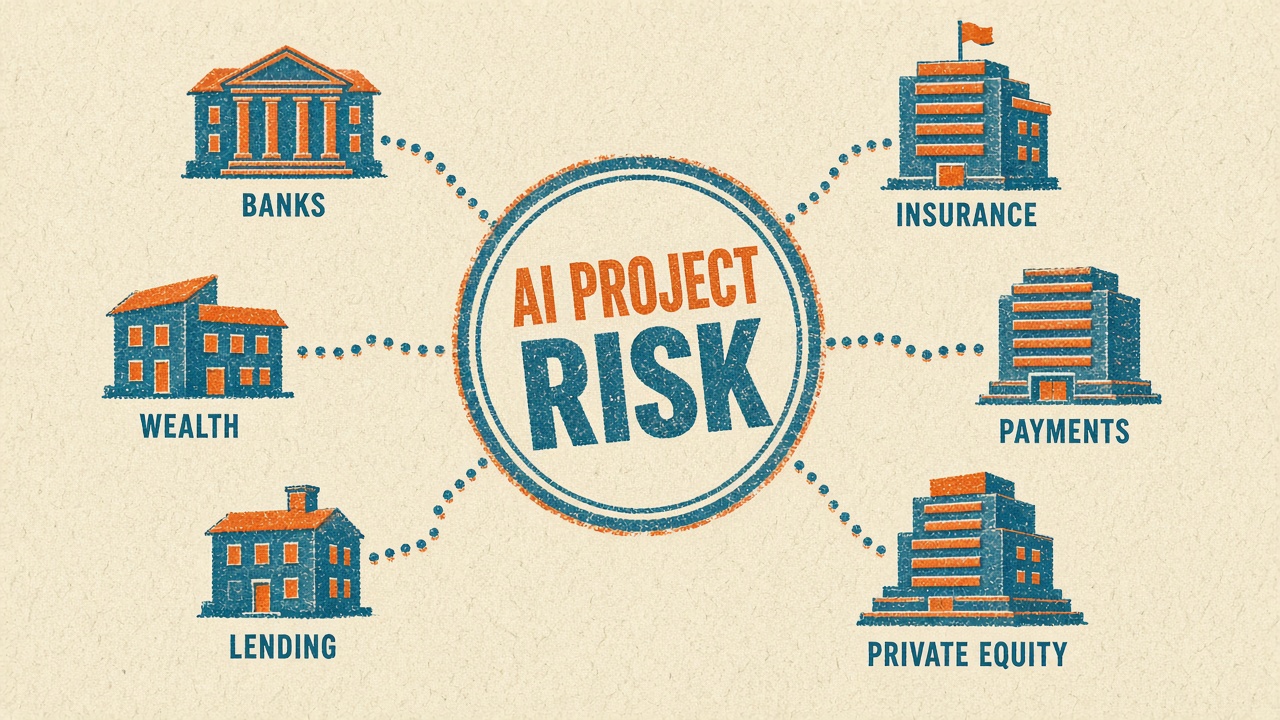
Typical AI Initiatives
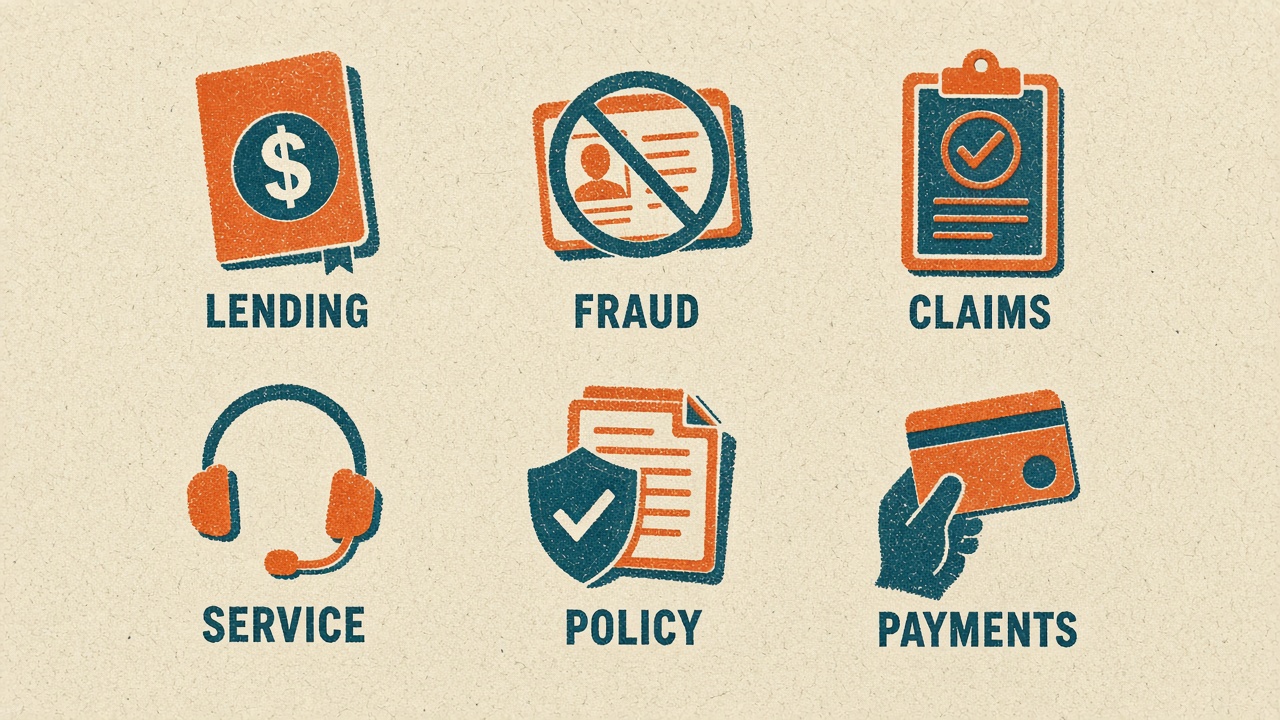
These are the kinds of active AI projects most often described in a customer request. The labels below are examples, not a complete catalogue.
Credit Decision Support
Models or assistants used in origination, limit-setting, or collections. Exposure often sits in customer outcomes, explainability, and the quality of human review. See Lending and Credit Providers.
Fraud and Financial Crime
Detection, alert prioritisation, and investigation support. The usual issues are false positives, missed cases, data access, and over-reliance on a vendor model.
Customer Service Assistants
Tools that draft or retrieve answers for staff or customers. Assessment looks at source control, handling of unresolved enquiries, and whether the assistant can change a customer outcome.
Claims and Underwriting Support
AI used to triage claims, estimate severity, or support pricing. Insurers need a clear view of customer treatment and model oversight. See Insurance Companies.
Internal Policy Assistants
Assistants that help employees find internal guidance. These projects look simple, but they still depend on source quality, ownership, and what happens when the answer is incomplete. This is a common example in Pillar Stages.
Payments, Onboarding, and Operations
Workflow AI in onboarding, transaction review, or back-office processing. Control gaps often appear in vendor platforms and exception handling. See Payments and Fintechs.
Research and Portfolio Analytics
AI used in investment research, client communications, or advisor productivity. Suitability, confidentiality, and model reliance are typical concerns for Asset & Wealth Management Companies.
Portfolio Company AI Oversight
Private equity sponsors assessing AI initiatives inside portfolio companies rather than a single internal tool. The snapshot still needs one initiative in view. See Private Equity and Portfolio Management Companies.
Use Cases by Institution Type
The initiative type often repeats across sectors. The risk profile does not. Lending AI in a bank is not the same assessment as a claims model in an insurer, even when both use similar techniques.
- Banks & Credit Unions — lending, fraud, compliance, service, and operations
- Insurance Companies — underwriting, claims, pricing, and fraud
- Asset & Wealth Management — research, advisor tools, and client communications
- Capital Markets & Broker Dealers — surveillance, trading support, and operations
- Lending and Credit Providers — origination, monitoring, and collections
- Payments and Fintechs — onboarding, fraud, and transaction flows
When a Use Case Is Ready to Assess
Enough Definition to Describe
The initiative does not need to be in production. It does need a purpose, a current stage, and enough context for a snapshot. That is the job of Setup.
Ongoing Project Work
Exploration, testing, implementation, or further improvement of an existing system can all be assessed. Routine run-the-business operation without project work is a weaker fit.
Accountable Sponsor
Someone should be able to discuss exposure, controls, and next actions. A briefing is for that sponsor, not for a generic product tour. See Risk Assessment and the resulting Risk Report.
One Initiative at a Time
A portfolio of AI ideas is not a use case. If several projects are active, choose one that currently carries the most exposure or the most executive attention.