




Setup
What “Setup” Means in This Context
The setup phase defines how an AI initiative is introduced into the WorkforceAI Risk Assessment process.
It is designed to require minimal effort from client teams, while ensuring sufficient context is captured to evaluate risk across the full project lifecycle.
Initial Project Definition
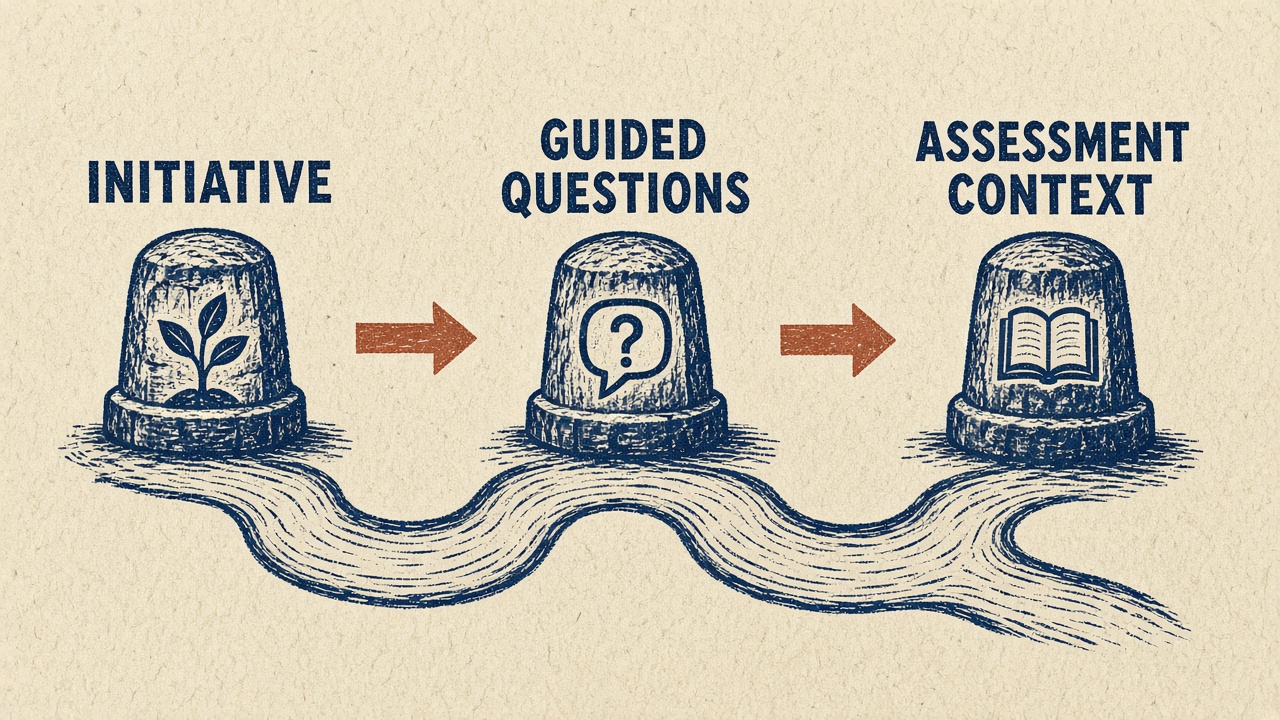
Setup begins with identifying a specific AI initiative to assess.
This typically includes:
- The business objective of the project
- The current stage (Strategy, Governance, Data, Models, or Execution)
- The primary stakeholders involved
The goal is not to document the project in detail, but to establish a clear reference point for evaluation.
Information Inputs Required
Structured Input Collection
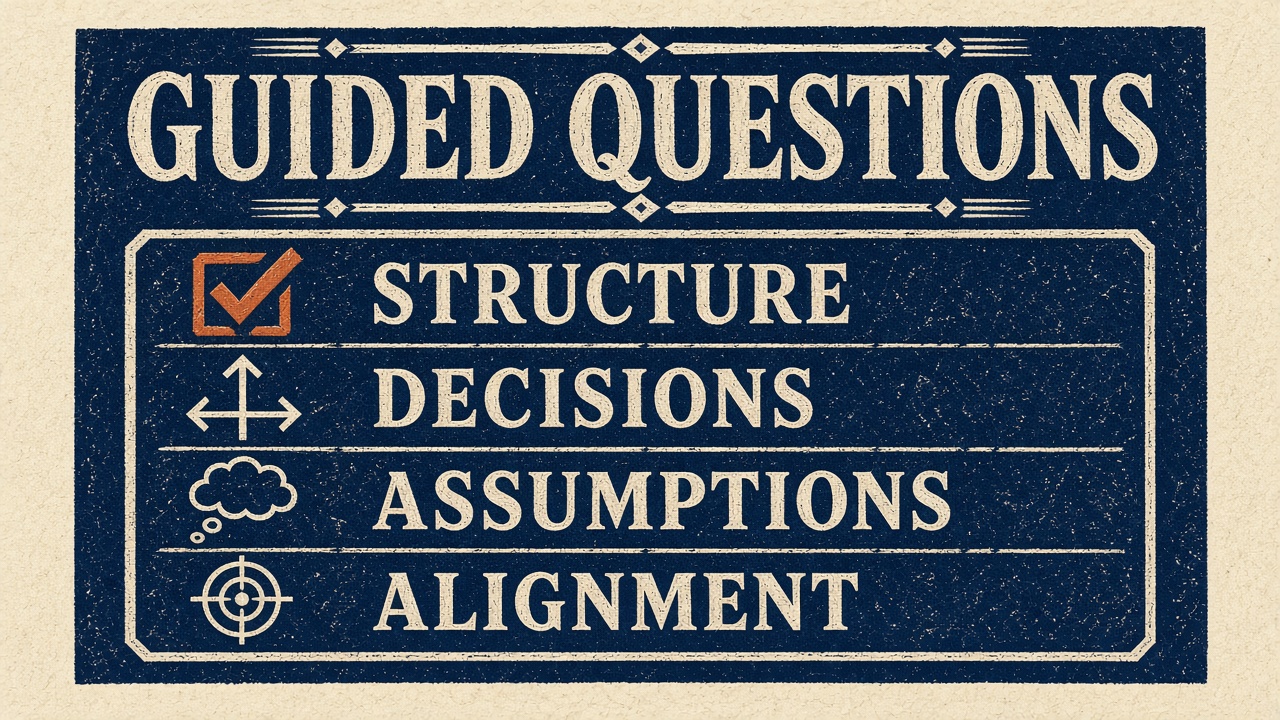
The setup process gathers targeted inputs through a guided set of questions.
These inputs focus on:
- How the project is currently structured
- How decisions are made across stages
- What assumptions are being relied upon
- How data, models, and execution plans are aligned
This replaces the need for extensive documentation or internal audits.
Multi-Role Perspective
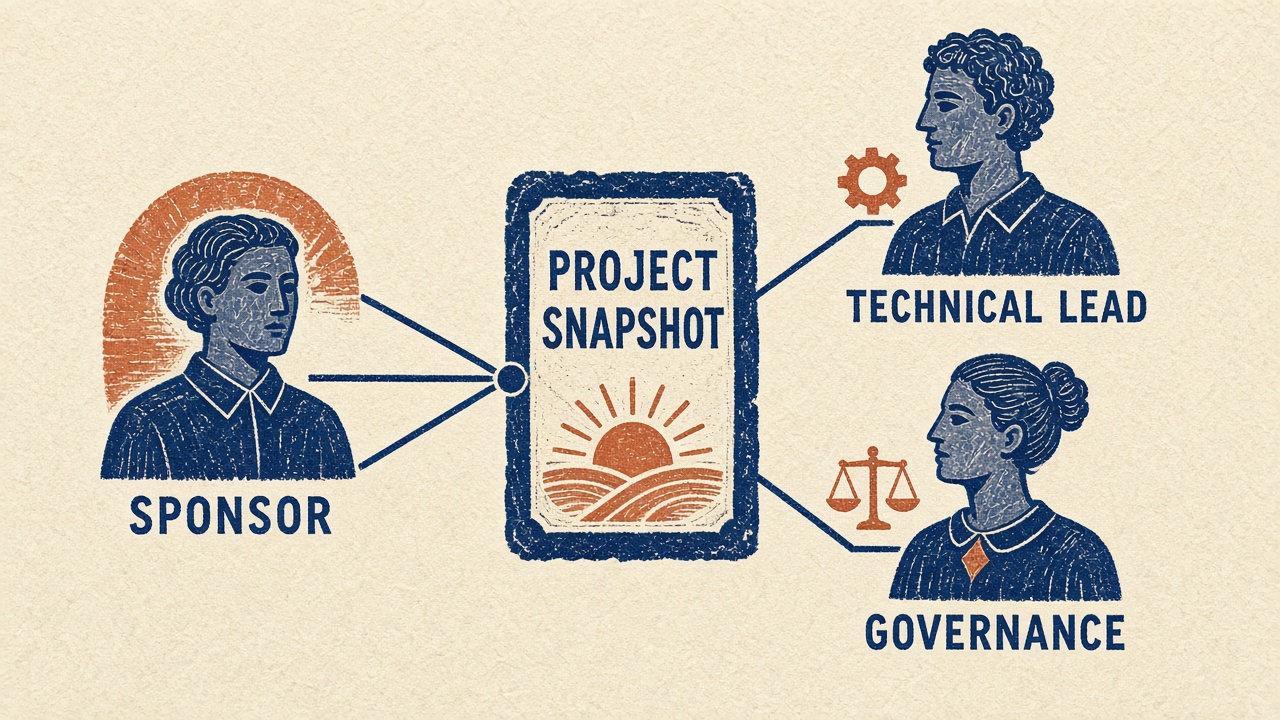
Inputs may be provided by:
- Project sponsors or executives
- Data or technical leads
- Governance or compliance stakeholders
This ensures the assessment reflects multiple viewpoints, not a single perspective. The customer request is the snapshot those inputs form.
Designed for Low Effort and Speed
Minimal Time Commitment
The setup process is designed to be completed with limited time investment:
- No complex onboarding
- No system integration required
- No disruption to ongoing project work
The intent is to capture just enough structured input to enable meaningful analysis.
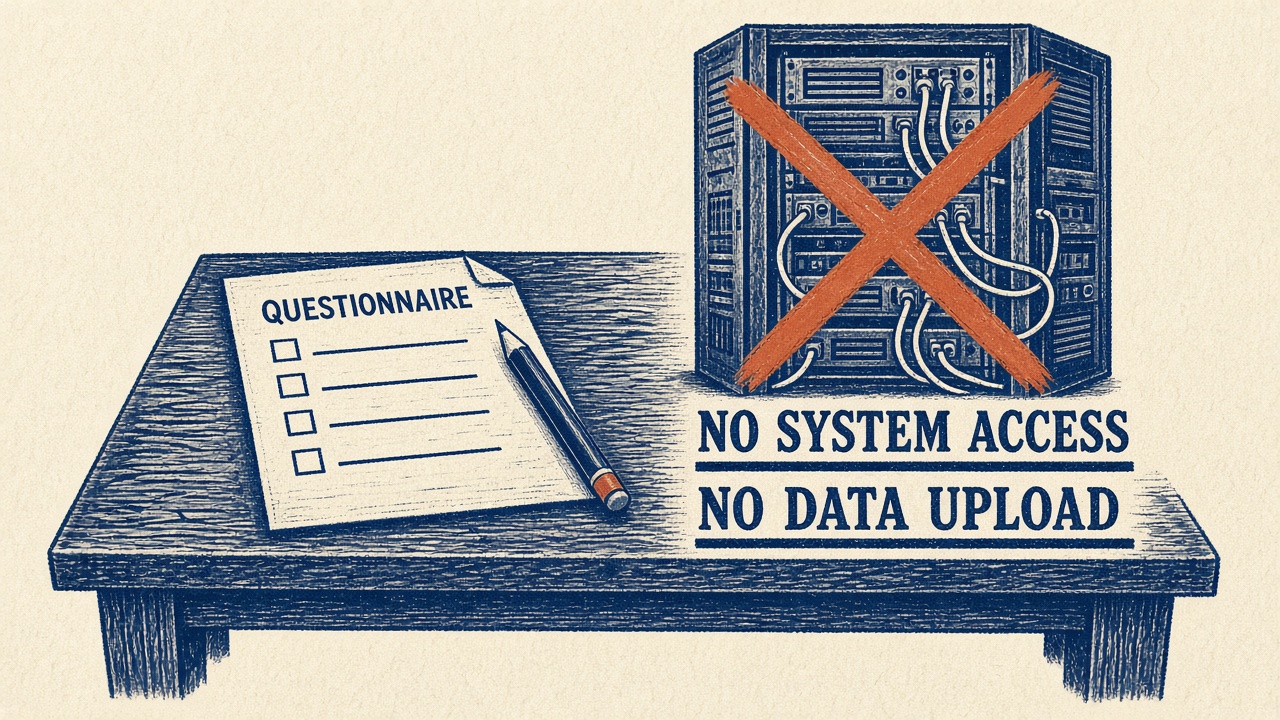
No Technical Integration Required
The setup does not require:
- Access to internal systems
- Data extraction or uploads
- Changes to existing workflows
All inputs are provided at a conceptual and operational level, not at a technical implementation level.
Establishing the Assessment Context
Stage Awareness
Each project is evaluated relative to its current stage.
This ensures:
- Early-stage projects are not assessed using late-stage criteria
- Risks are interpreted within the correct context
- Expectations are aligned with project maturity
Scope Definition
The setup clarifies:
- Whether a single AI initiative or multiple initiatives are included
- The boundaries of the assessment
- Any specific areas of concern identified by the client
This ensures the assessment remains focused and relevant.
Preparing for Risk Evaluation
Input Validation
Before analysis begins:
- Inputs are reviewed for completeness
- Inconsistencies across responses are identified
- Gaps in perspective are noted
This step ensures that the assessment is based on coherent and usable inputs.
Readiness for Analysis
Once setup is complete:
- The project is mapped to the framework structure
- Inputs are aligned across lifecycle stages
- The assessment process begins
What Setup Does Not Require
No Internal Audit Process
The setup is not an audit or compliance exercise.
It does not require:
- Formal documentation reviews
- Detailed reporting preparation
- Internal alignment meetings prior to submission
No Pre-Assessment Optimization
Teams are not expected to:
- “Fix” known issues before setup
- Align all stakeholders in advance
- Present an idealized view of the project
The value of the assessment depends on capturing the project as it currently operates.
Why the Setup Approach Matters
Reducing Friction
A simplified setup process:
- Encourages participation from multiple stakeholders
- Reduces delays in initiating the assessment
- Avoids burdening already active project teams
Preserving Objectivity
Minimal intervention ensures:
- Inputs reflect actual conditions, not prepared narratives
- Differences in perspective remain visible
- Risk signals are not masked by internal alignment efforts