




Risk Assessment
Purpose of the Risk Assessment
The WorkforceAI Risk Assessment evaluates active AI initiatives to identify hidden risks that may affect outcomes, timelines, or investment efficiency.
It focuses on how risks emerge across the lifecycle of an AI project and how they interact across stages, roles, and decisions.
Identifying Hidden and Emerging Risks
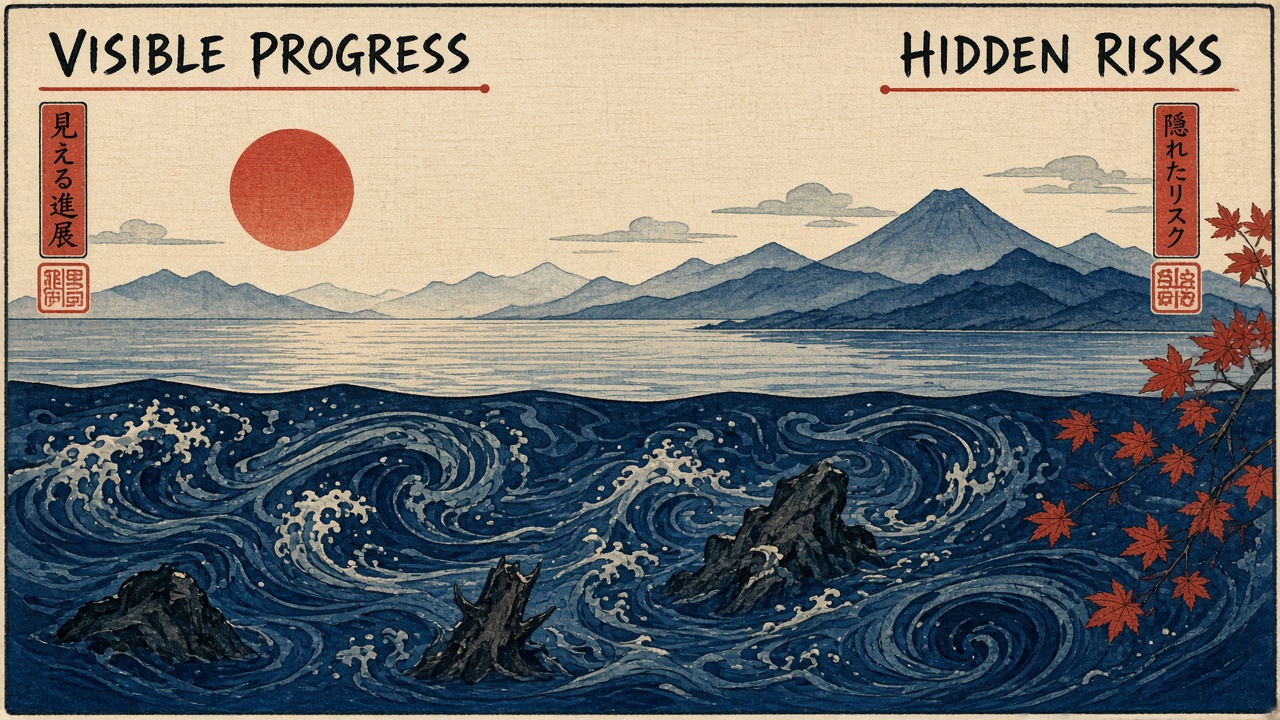
The assessment is designed to surface risks that are not immediately visible within individual teams or stages.
These may include:
- Misalignment between project objectives and execution
- Gaps between data readiness and model expectations
- Inconsistencies in decision-making across stakeholders
The goal is to identify these risks before they translate into delays, rework, or loss of investment.
How the Risk Assessment Works
Cross-Stage Evaluation
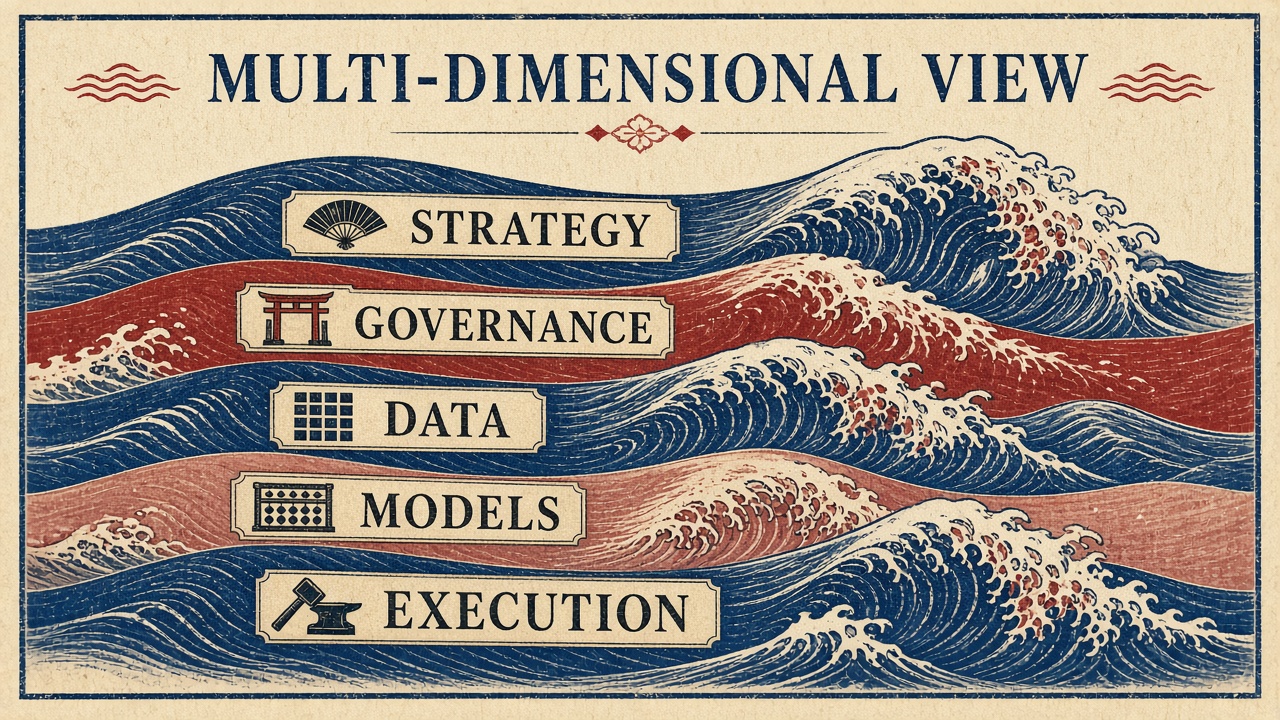
The assessment evaluates the project across all lifecycle stages: Strategy, Governance, Data, Models, and Execution. These are the same areas described in the framework.
Each stage is assessed in relation to others to identify:
- Upstream causes of downstream issues
- Dependencies between decisions
- Points where assumptions may not hold
Multi-Dimensional Analysis
Within each stage, the assessment examines:
- Alignment between stakeholders
- Readiness of processes and resources
- Validity of key assumptions
- Exposure created by dependencies
This allows risks to be identified as patterns, not isolated issues.
Role of Stakeholder Inputs
Interpreting Differences in Perspective
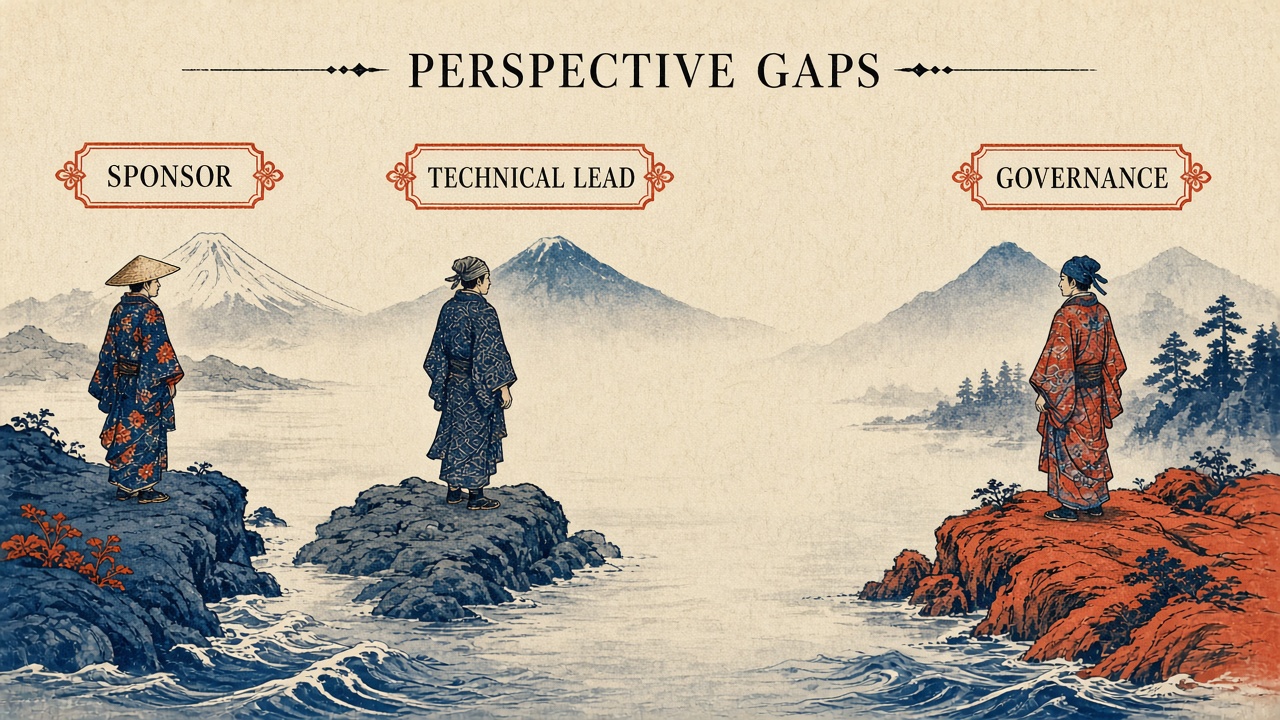
Inputs from different roles are analyzed not only individually, but in relation to each other.
Differences between stakeholders may indicate:
- Misalignment in understanding
- Gaps in communication
- Diverging assumptions about project readiness
These differences are treated as signals, not inconsistencies to be corrected. The setup process collects those viewpoints without requiring teams to align first.
Identifying Confidence Gaps
The assessment highlights where:
- Confidence in progress may not be supported by underlying conditions
- Assumptions are not shared across teams
- Key risks are not recognized uniformly
This provides a clearer view of where attention may be required.
Detecting Risk Signals
What Constitutes a Risk Signal
Risk signals are indicators that suggest a higher likelihood of delay or rework, reduced effectiveness of the AI solution, or increased cost or effort.
They are derived from:
- Relationships between inputs
- Stage-specific conditions
- Observed inconsistencies
Types of Risk Signals
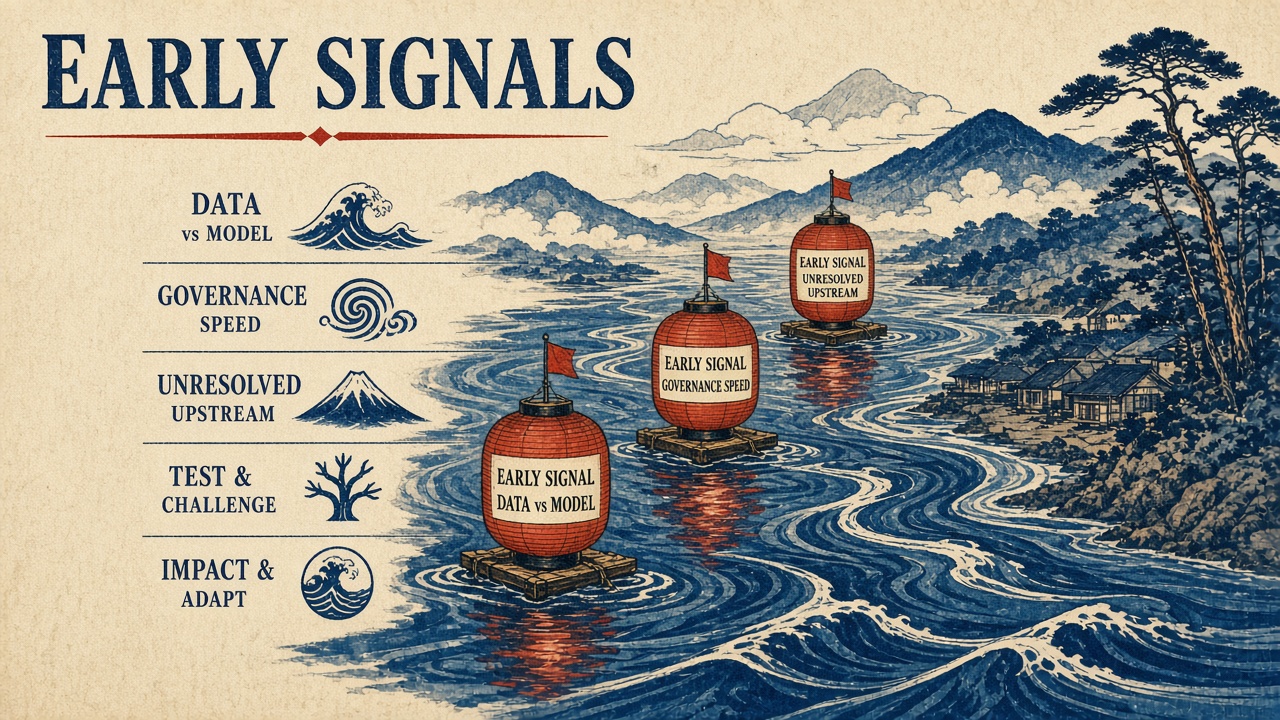
Examples include:
- Data readiness not aligned with model requirements
- Governance structures not supporting decision speed
- Execution plans dependent on unresolved upstream issues
These signals provide early visibility into potential outcomes.
Interpreting Risk Across the Lifecycle
Upstream vs Downstream Risk
The assessment distinguishes between:
- Upstream risks originating in earlier stages (for example, strategy or data)
- Downstream impacts where those risks become visible (for example, execution delays)
This helps identify root causes rather than symptoms, and where intervention is most effective.
Compound Risk Effects
Some risks do not exist independently.
They emerge from:
- Multiple small misalignments
- Reinforcing dependencies across stages
The assessment identifies these compound effects to provide a more accurate view of exposure.
Maintaining Objectivity in Assessment
No Assumption of Correctness
The assessment does not assume:
- Any stakeholder perspective is fully accurate
- Existing plans are optimal
- Reported progress reflects actual readiness
All inputs are evaluated within the broader context of the project.
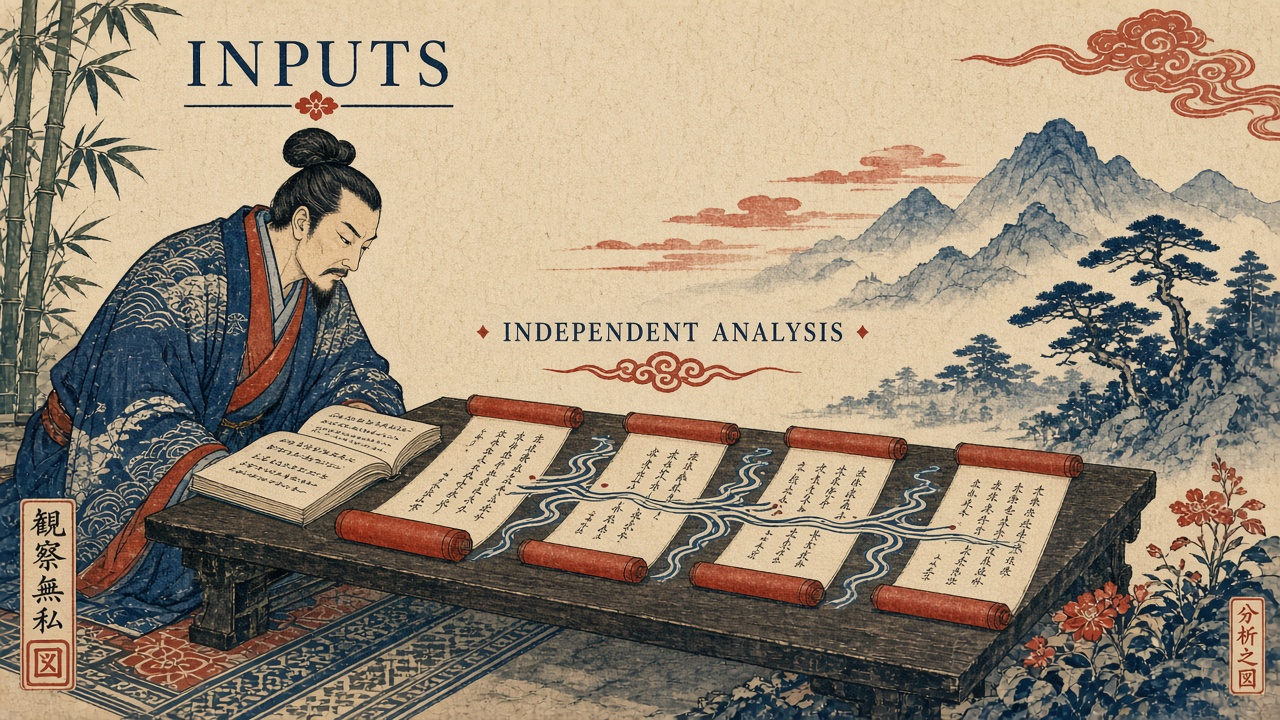
Independent Interpretation
Risk signals are derived from:
- Structured analysis of inputs
- Relationships between stages and roles
- Observed patterns of alignment and dependency
This ensures that findings are based on evidence within the project context, not predefined conclusions.
Why This Assessment Approach Matters
Early Visibility
Risks are identified before they become visible through delays or failures.
Cross-Stage Understanding
The assessment reveals how decisions in one stage influence outcomes in another.
Practical Relevance
Findings are grounded in the actual structure and operation of the project, not theoretical models.